
How to Hook Readers
- Breanna Call

- May 20
- 10 min read
Want readers to keep reading your book? Learn how to write a powerful hook.

The Short Story
A hook is the first line, few lines, or paragraphs in a novel that compel readers to keep reading.
Here are some powerful techniques to hook your readers:
Start in a Pivotal Moment
Prompt Unanswered Questions
Use the Shock Factor
Play on Emotion
Add an Unusual Situation
Create Beautiful Imagery
Begin with an Intriguing Character
The Novel
When readers are deciding whether to read your book, they’ll generally look over it for less than sixty seconds before deciding to go for it or to put it back on the shelf. That small timeframe means your writing needs to hook readers—and right away!
Your book cover and blurb get readers interested in the story. But it’s your first line that pulls them in. I’m talking about the hook. The hook is a writing term referring to the first line, few lines, or paragraphs in a document that entices readers to keep reading.
If the first few sentences or paragraphs don’t hook your readers, it’s not likely they’ll turn to the next page. That’s a problem. So, what are some ways to get them hooked? This tip lists some tried-and-true hook ideas.
Two Things to Note
Before we dive into how to hook your readers, there are two important things to note about hooks:
Your Genre Determines Your Hook
Readers expect certain hooks and scene openings from certain genres.
For example, a regency romance novel can get away with beautiful prose describing the morning dew on incandescent fields, but this hook would not work for thrillers. Thriller readers expect to jump straight into the action, often through scenes that are intense with high stakes or conflict.
When writing your hook, research what types of hooks work best with your genre and adhere to your genre’s reader expectations. If not, your hook will fall flat and deter your readers.
Don’t Worry About Your Hook While Writing a Draft
Writing hooks is not easy. In fact, writing is not easy. So, when you’re writing a draft, do not start by creating a hook for your chapter. First, just write your story. Then, go back and create your hook. I promise it will be easier to create hooks after you get your narrative down. And odds are that you will have written your hook already without even knowing it.
With those pointers in mind, let’s dive into writing first lines that hook your readers.
Seven Ways to Hook Readers
Start in a Pivotal Moment
This hook submerges readers right in the middle of a conflict or a high-stakes scene. This scene could be a point in the novel when the main character’s life is drastically impacted. It could be a scene where the stakes come to a head: Will the character lose or save everything? Or it could be an intense moment that shapes the storyline.
Sometimes, these hooks give a preview of what is to come in the story. They’ll give you a sneak peek of the climax, and then once the reader is hooked on that, the storyline will shift to what happens before the climax.

Here’s the opening of Fight Club by Chuck Palahniuk:
Tyler gets me a job as a waiter, after that Tyler’s pushing a gun in my mouth and saying, the first step to eternal life is you have to die. For a long time though, Tyler and I were best friends. People are always asking, did I know about Tyler Durden.
This scene hooks readers because it starts with an intense foreshadowing of the climax. Someone is holding a gun in the narrator’s mouth, someone who is or was his friend. Readers are immersed in the story because they will want to know how the narrator ended up in this situation and how the climax is resolved.
Here’s another example in Anxious People by Fredrik Backman:

A bank robbery. A hostage drama. A stairwell full of police officers on their way to storm an apartment. It was easy to get to this point, much easier than you might think. All it took was one single really bad idea.
This introductory paragraph starts right in the middle of the action. We have a robber, a hostage, and police storming a building. This classic action scene draws readers in because they’ll want to know who the robber is, who the hostage is, what the robber’s motive was, and if the police or robber will succeed at the end of the holdup.
Prompt Unanswered Questions
Begin by setting lines or scenes that make your reader ask questions. And then, don’t answer those questions right away. Make sure readers have to dive into the story to get the answers.

Here’s the beginning of The Kite Runner by Khaled Hosseini:
I became what I am today at the age of twelve, on a frigid overcast day in the winter of 1975. I remember the precise moment, crouching behind a crumbling mud wall, peeking into the alley near the frozen creek. That was a long time ago, but it’s wrong what they say about the past, I’ve learned, about how you can bury it. Because the past claws its way out. Looking back now, I realize I have been peeking into the deserted alley for the last twenty-six years.
This paragraph hooks readers because it brings up so many unanswered questions: What is the narrator today? Why was he crouched behind a wall? Why has he been so affected by his past?
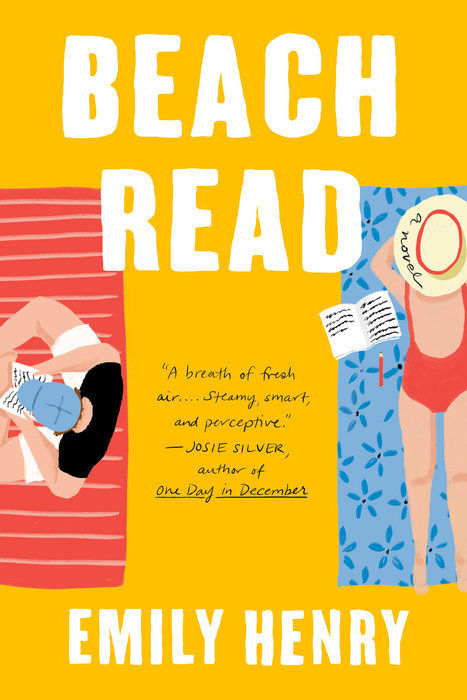
Here’s the first line of Beach Read by Emily Henry:
I have a fatal flaw.
It’s only one line, but it hooks the reader because we want to know what the narrator’s fatal flaw is. Henry tells the reader what the narrator’s fatal flaw is only a few paragraphs later. (She’s a hopeless romantic.) But the short space between the first line and the explanation is enough to keep readers going.
Use the Shock Factor
People are drawn to things that stun or disturb them. So if you can make readers gasp from surprise or suck in a breath from the unexpected, they’ll keep reading. Here are examples:
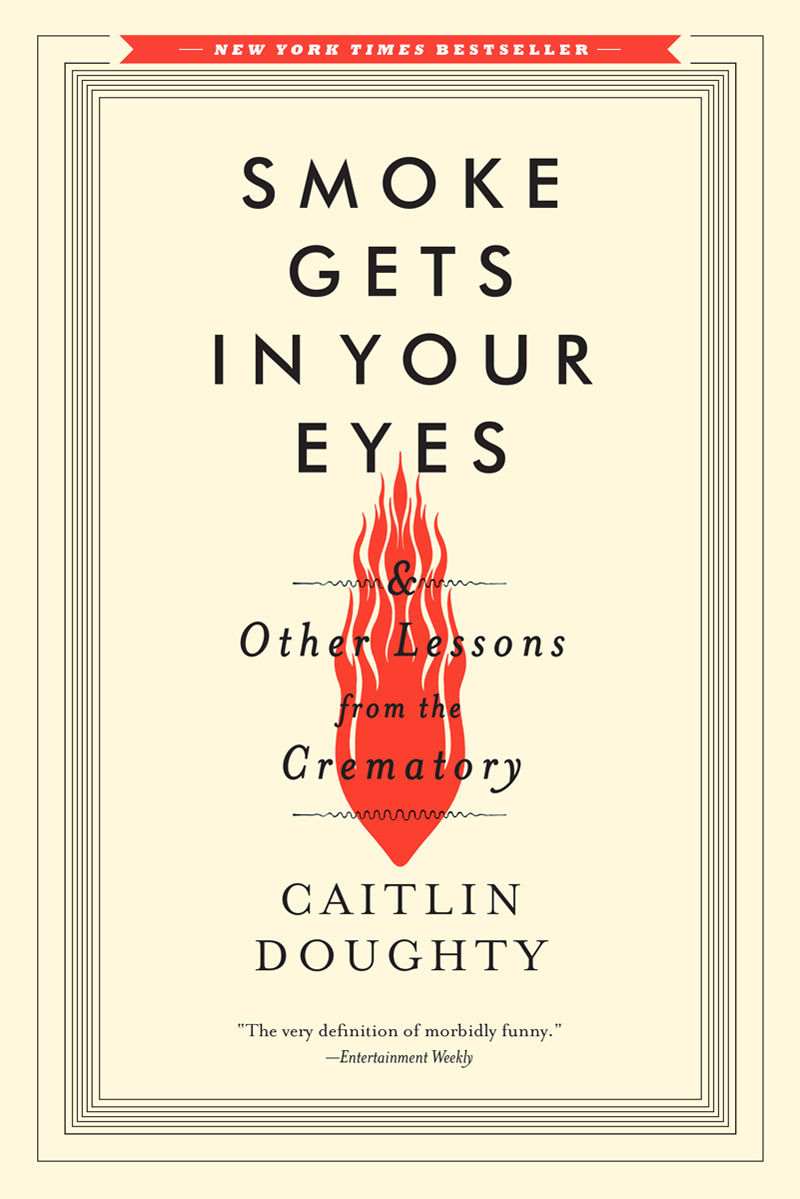
Smoke Gets In Your Eyes by Caitlin Doughty:
A girl always remembers the first corpse she shaves.
The Long Game by Elena Armas:
The head rolled off his shoulders and halted at my feet with a thump.

The Lovely Bones by Alice Sebold:
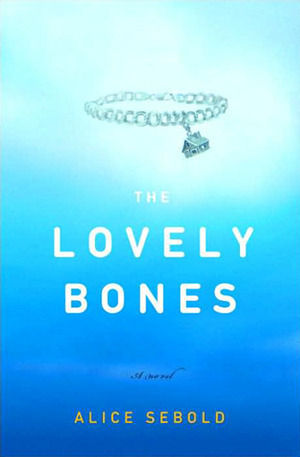
My name was Salmon, like the fish; first name, Susie. I was fourteen when I was murdered on December 6, 1973.
All these examples give a thrill factor—in the best way. Readers may get a knot in their stomachs from reading these lines, but you better bet they’ll keep reading.
Play on Emotion
If you can pull on someone’s heartstrings, readers will likely turn the next page. Do this by writing a scene that makes readers feel deep emotions, like joy, sadness, anger, or fear.
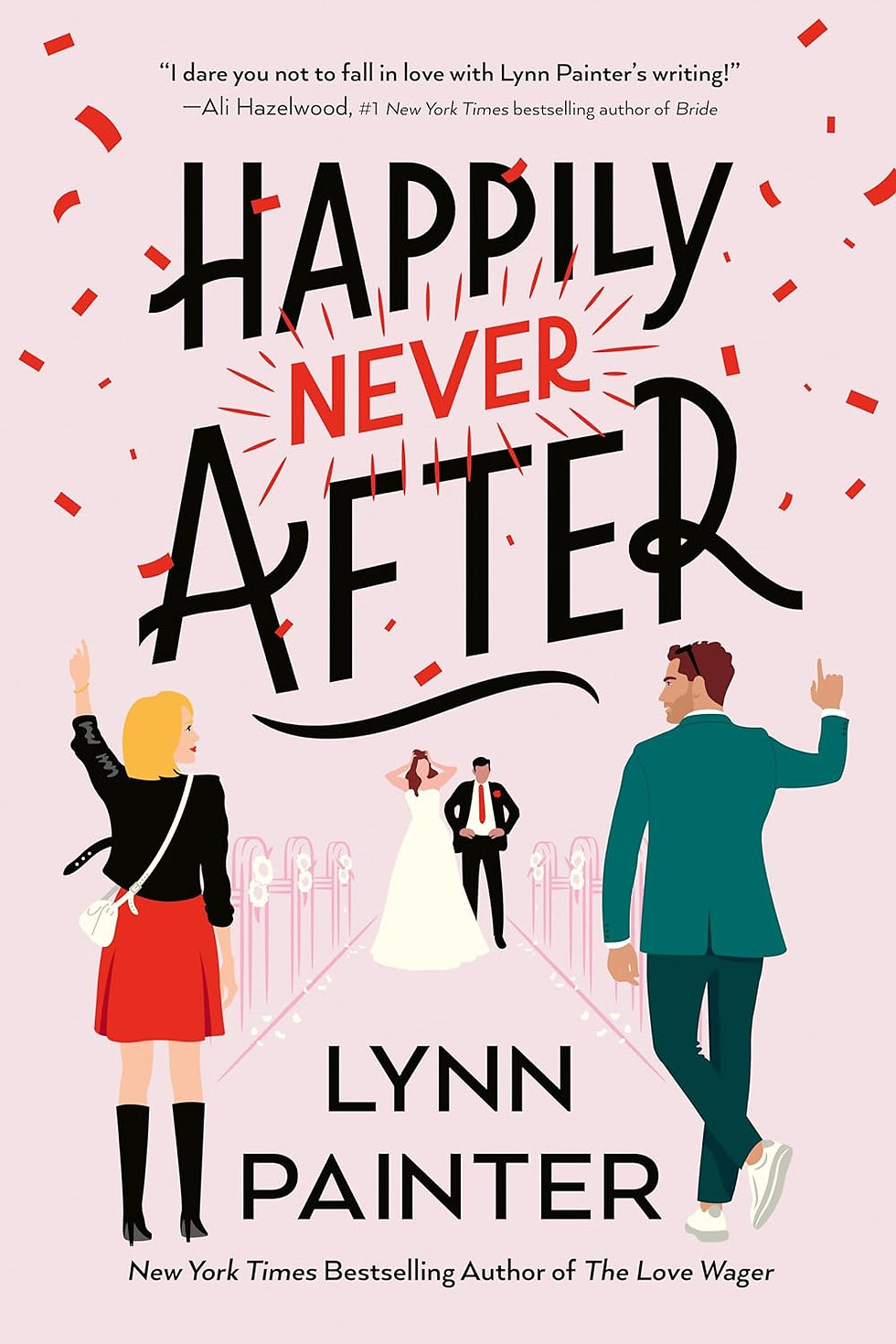
Here is the first sentence of Happily Never After by Lynn Painter:
The moment my dad raised my veil, kissed my cheek, and handed me off to Stuart, I wanted to throw up.
Readers start off thinking of a beautiful wedding and a sweet moment between father and daughter. But then their emotions are abruptly flipped when they read about the narrator wanting to throw up. This quick change in emotions, from happiness to concern, piques reader interest and makes them want to keep reading.

Here’s the opening of When Breath Becomes Air by Paul Kalanithi:
I flipped through the CT scan images, the diagnosis obvious: the lungs were matted with innumerable tumors, the spine deformed, a full lobe of the liver obliterated. Cancer, widely disseminated. I was a neurosurgical resident entering my final year of training. Over the last six years, I’d examined scores of such scans, on the off chance that some procedure might benefit the patient. But this scan was different: it was my own.
The emotions start off strong in this paragraph. Readers know cancer is devastating and have empathy for whoever has the cancer. And then, when the readers find out the narrator is the person with the cancer, the emotions are amplified. Creating a feeling of empathy makes the reader invested in the character, which makes them want to keep going with the story.

Add an Unusual Situation
Readers are more likely to read your story when their curiosity is piqued. Write something unusual that makes your readers want to know more about what is going on. Think of something your character might do or some characteristic your storyworld has that wouldn’t be seen or heard of in the present day.
Here’s the first line of I Capture the Castle by Dodie Smith:
I write this sitting in the kitchen sink.

Readers want to know more because writing while sitting in a kitchen sink is incredibly strange. But the narrator must have a reason for doing it, right? The readers will have to keep reading to find out.
Here’s the first line of 1984 by George Orwell:
It was a bright cold day in April, and the clocks were striking thirteen.
Here’s another unusual situation. Why were the clocks striking thirteen? And how? The situation is odd enough that readers want to keep reading.
The Fifth Season by N.K. Jemisin:
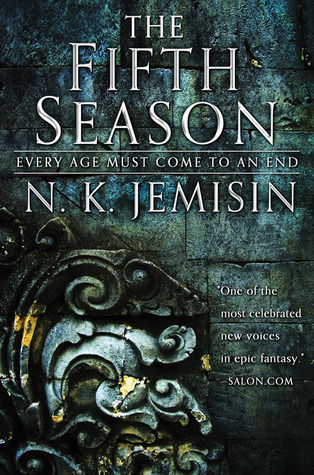
Let's start with the end of the world, why don't we?
This situation is unexpected because stories usually start at the beginning. In this instance, we’re starting at the end. And not just the end of the story but the end of the world.
Create Beautiful Imagery

A picturesque setting or beautiful writing can draw readers in. Readers appreciate well-crafted sentences and can feel as if they are living right on the page with the characters when they read rich imagery. This kind of immersion can make readers forget about their own reality, which keeps them turning pages.
Here’s an example from Happy Place by Emily Henry:
A cottage on the rocky shoreline, with knotty pine floorboards and windows that are nearly always open. The smell of evergreens and brine wafting in on the breeze, and white linen drapes lifting in a lazy dance. The burble of a coffee maker, and the first deep pull of cold ocean air as we step out onto the flagstone patio, steaming mugs in hand.

Here’s another example from Where the Crawdads Sing by Delia Owens:
Marsh is not swamp. Marsh is a space of light, where grass grows in water, and water flows into sky. Slow-moving creeks wander, carrying the orb of the sun with them to the sea, and long-legged birds lift with unexpected grace—as though not built to fly—against the roar of a thousand snow geese.
The prose used to write these settings is eloquent and descriptive. This style paints a picture in the reader’s mind. The writer’s world becomes the reader’s world, and readers won’t want to leave.
Begin with an Intriguing Character
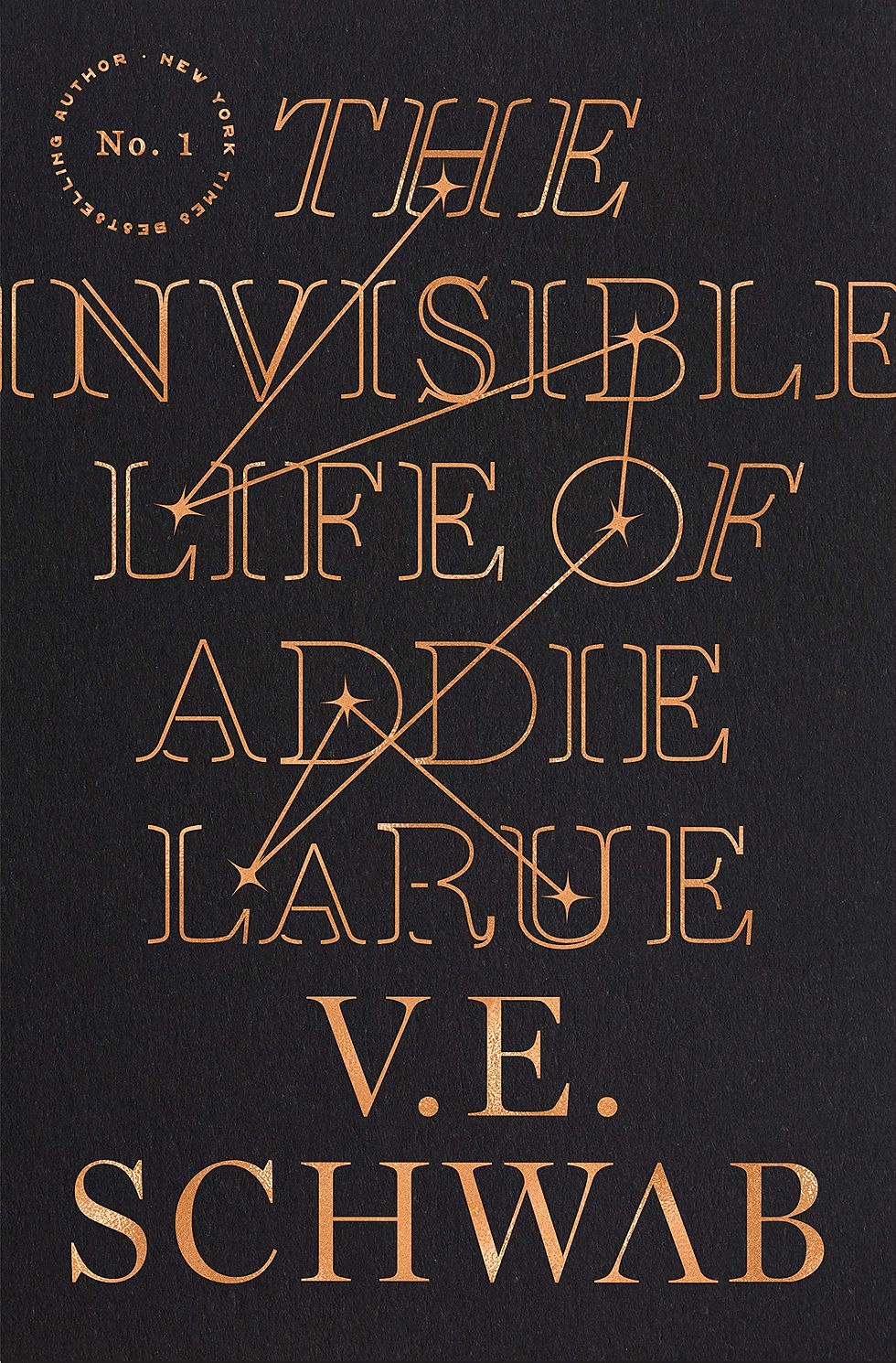
Readers also value characters. After all, they are the lens through which readers will experience your story. If your character piques your readers’ interest or is relatable, your readers will keep reading.
Here’s an example in The Invisible Life of Addie Larue by V. E. Schwab:
A girl is running for her life.
The summer air burns at her back, but there are no torches, no angry mobs, only the distant lanterns of the wedding party, the reddish glow of the sun as it breaks against the horizon, cracks and spills across the hills, and the girl runs, skirts tangling in the grass as she surges toward the woods, trying to beat the dying light.
Voices carry on the wind, calling her name.
Adeline? Adeline? Adeline!
Her shadow stretches out ahead—too long, its edges already blurring—and small white flowers tumble from her hair, littering the ground like stars. A constellation left in her wake, almost like the one across her cheeks.
Seven freckles. One for every love she’d have, that’s what Estel had said, when the girl was still young.
These first few paragraphs hook readers because they are introduced to Adeline, a character who is “running for her life.” And who is she running from? A wedding party. These circumstances make Adeline an interesting character because most people don’t run away from weddings, and if they do, their lives aren’t normally at stake. Adding that Adeline has seven freckles, “one for every love she’d have,” also makes readers interested in the protagonist of this book.

Here’s an example from Eleanor Oliphant Is Completely Fine by Gail Honeyman:
When people ask me what I do—taxi drivers, dental hygenists—I tell them I work in an office. In almost nine years, no one’s ever asked what kind of office, or what sort of job I do there. I can’t decide whether that’s because I fit perfectly with their idea of what an office worker looks like, or whether people hear the phrase work in an office and automatically fill in the blanks themselves—lady doing photocopying, man tapping at a keyboard. I’m not complaining. I’m delighted that I don’t have to get into the fascinating intricacies of accounts receivable with them. When I first started working here, whenever anyone asked, I told them that I worked for a graphic design company, but then they assumed I was a creative type. It became a bit boring to see their faces blank over when I explained that it was back office stuff, that I didn’t get to use the fine-tipped pens and the fancy software.
I’m nearly thirty years old now and I’ve been working here since I was twenty-one. Bob, the owner, took me on not long after the office opened. I suppose he felt sorry for me. I had a degree in Classics and no work experience to speak of, and I turned up to the interview with a black eye, a couple missing teeth and a broken arm. Maybe he sensed, back then, that I would never aspire to anything more than a poorly paid office job, that I would be content to stay with the company and save him the bother of ever having to recruit a replacement. Perhaps he could also tell that I’d never need to take time off to go on honeymoon, or request maternity leave. I don’t know.
At first, Eleanor, the main character, seems fairly ordinary, even veering on the dull side. But reader interest is piqued when they get into the second paragraph and learn that she went to a job interview with a black eye, missing teeth, and a broken arm. The juxtaposition of Eleanor’s boring life with her shocking physical state at the interview makes readers want to know how Eleanor can work at such an ordinary job while likely not having an ordinary past. They’ll keep reading to find out.
Hooks may not be long, but they make or break books. Spend time crafting the right hook for your book’s genre. It will be worth it because your readers will keep reading. And if you’re not sure where to start or want a professional editor to look over your first few lines, contact us! We can make sure your first few lines truly hook your readers.


Comments